
Coating Viscosity Measurement Improves Molding Compound Process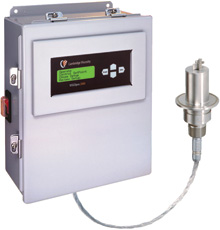 Boston—Cambridge Viscosity’s advanced sensor technology is helping Cytec Engineered Materials streamline production of composite materials used in aerospace, high-performance industrial and
other extreme-demand environments.
Cytec supplies composite materials such as prepregs and molding compounds to companies that mold parts. The ratio of resin-to-fiber is very important, with different applications requiring different ratios. Cambridge’s ViscoPro 2000 viscometers are used to control the viscosity of a resin solution that binds the carbon fiber. Strings of carbon fiber are run through a resin bath where they are coated, and the resin acts as a binder for the carbon fiber so that it can be molded into a part.
“The implementation of the viscometer system has enabled us to continually monitor and control the resin, which allows us to greatly reduce variation within the product,” says Cytec Engineer Troy Farry. Prior to using the viscometers, technicians were required to take measurements at certain intervals in order to determine if adjustments to the resin characteristics were necessary.
This method created a delay in reaction time, resulting in a great deal of variation that made it harder to remain within customer requirements. According to Farry, “not only have the viscometers allowed for a more consistent product, they have reduced the error and scrap rate of our material. By streamlining the process, our technicians can now focus on other areas of development, instead of having to manually monitor the process.”

About Cambridge Viscosity
Cambridge Viscosity is the leading supplier of automated viscometers used by oil exploration and refining, coating, chemical and life science companies to optimize product and process performance. Cambridge Viscosity's sensors and viscometer systems conform to ASTM, DIN, JIS and ISO standards, with a range of models designed to meet specific industry and application needs.
Type certifications include ATEX, CE and FM. CSA certification is available upon request. Cambridge's global reach provides application engineering support and service wherever and whenever needed. To learn more visit www.cambridgeviscosity.com.


